 |
| Example of the shot we used |
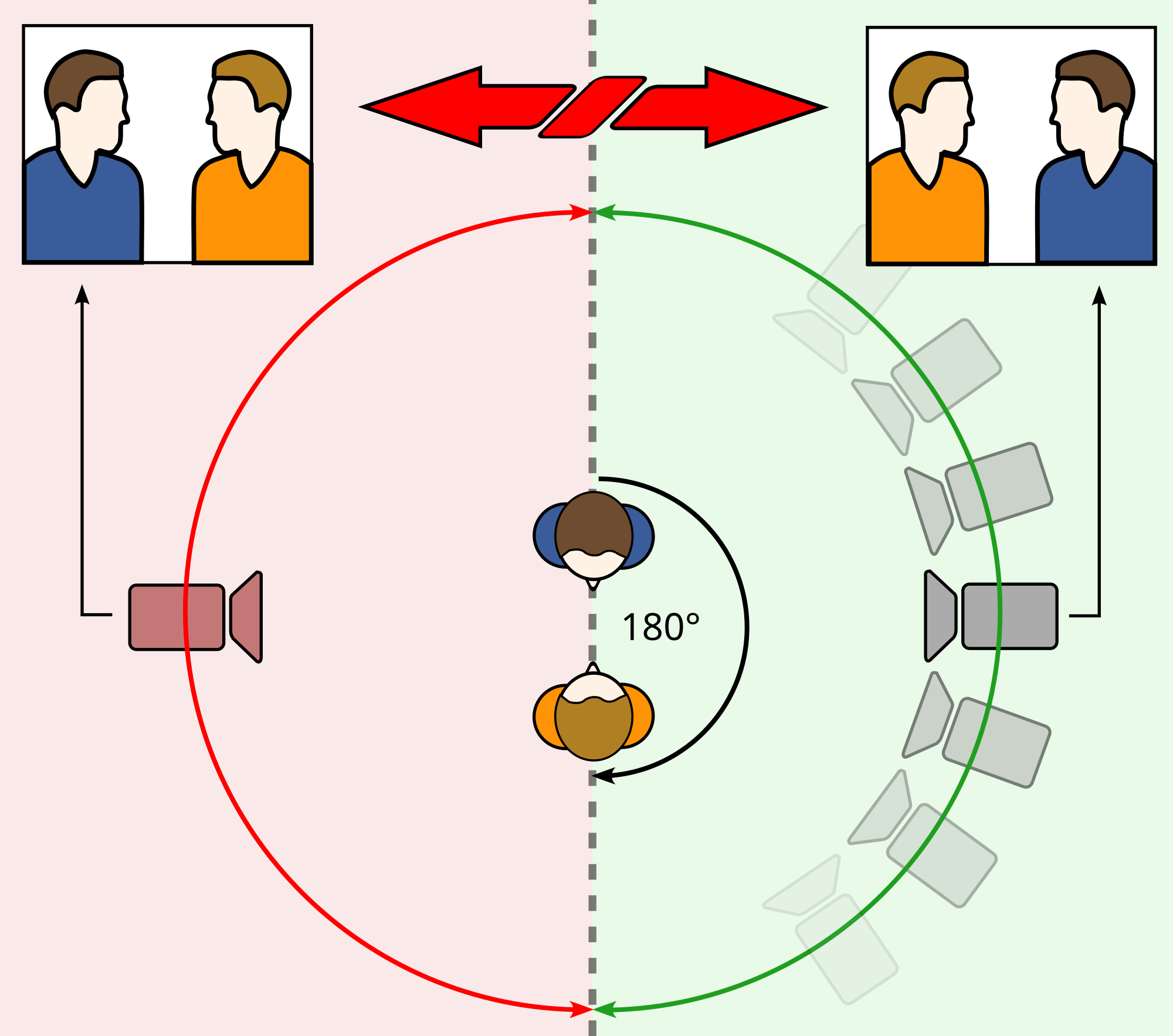
One technique that we used within our preliminary was the 180 Degree Rule. This concept involves the having the camera placed exclusively to either the left or right side of any characters shown and sticking to this positioned side throughout any dialogue, actions, etc. This is used to keep the shots clear and continuous so as to not confuse the audience with all the different angels being quickly cut between and keep them following the event happening. It also helps to engage the audience more since having the shots more concise and , keeps a flow during any dialogue and actions, showing that they are all happening within the very same time frame. The shots during this concept are usually shot reverse shots.
 Another technique that was used was a Match on Action Shot, which involves changing shots during editing. It is when the one shot cuts to another view that matches that of the original shot and it's action. These are used to show the cause and effect of what is being shown, making it a lot clearer for audiences as to why something has happened. We had done a very typical shot of someone walking out of door, in which the person pushes the doors handle and are then shown walking out of it.
Examples of where these techniques are used during our film opening...
 This example shows the technique of the 180 Degree Rule. We recognised it would be suitable for this particular part of the action scene since we wanted the conflict happening, to flow and be very concise so that audiences understand what is going on in this, otherwise, fast-paced mix of shots.
This example is part of what was used to show the technique of Match on Action. It was used so that we could show the Antagonist finally obtaining the device from the Protagonist. In the previous shot, the body of the injured Protagonist is shown with the Antagonist searching them. It then cuts to this shot of the Antagonist actually finding and taking the device from the Protagonist's pocket. This sequence all shows cause and effect in what is happening.

No comments:
Post a Comment